






- October 24, 2026
- Miscellaneous
PM Vishwakarma Completes Three Years With 30 Lakh Artisan Registrations
PM Vishwakarma Completes Three Years With 30 Lakh Artisan Registrations
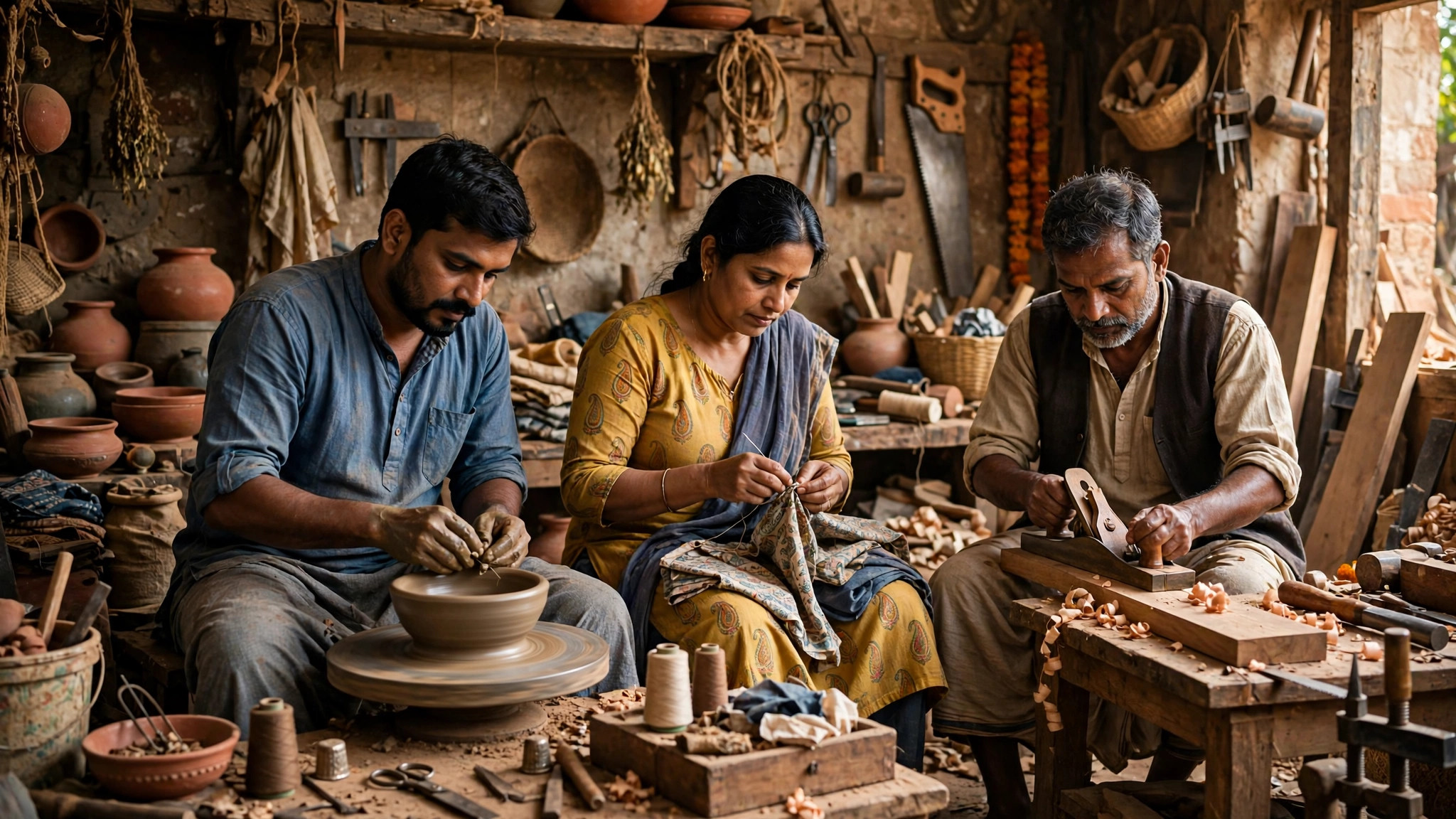
On 17 September 2026, the PM Vishwakarma scheme completed three years since its launch — and hit its headline target of 30 lakh beneficiary registrations. Built for the traditional artisans and craftspeople who work with their hands — carpenters, blacksmiths, potters, tailors, goldsmiths and thirteen other trades — the scheme bundles skill training, toolkits, collateral-free credit and digital incentives into one package. A government press release on 20 October 2026 put registrations at 30,03,925 as on 30 September 2026. If you or someone in your family works in one of the 18 notified traditional trades, this is the most complete official-numbers guide to what the scheme offers and how to register.
The Short Answer
PM Vishwakarma was launched on 17 September 2023 as a Central Sector Scheme with an outlay of ₹13,000 crore for FY2023-24 to FY2027-28, covering 18 traditional trades and built around three pillars — Samman (recognition), Samarthya (capability) and Samriddhi (prosperity). Its registration target of 30 lakh beneficiaries was achieved, with 30,03,925 registrations reported as on 30 September 2026. Progress as of 15 September 2026, per the official PIB backgrounder: 24.37 lakh artisans received basic skill training; 18.16 lakh received toolkits; over 6.19 lakh loans worth about ₹5,316 crore were sanctioned; over 8.11 lakh beneficiaries received digital incentives totalling more than ₹42 crore; and 12,000-plus artisans were trained in AI tools for branding, product design, packaging and marketing. Benefits include collateral-free Enterprise Development Loans up to ₹3 lakh in two tranches at 5% interest (with an 8% interest subvention borne by the government), toolkits worth up to ₹15,000, a ₹500-per-day training stipend, and ₹1 per digital transaction up to 100 transactions a month. Applications are accepted only through Common Service Centres (CSCs) — one member per family.
The Scheme in Numbers
PM Vishwakarma is a Central Sector Scheme — fully funded by the central government — launched on 17 September 2023 with a total outlay of ₹13,000 crore spread across FY2023-24 to FY2027-28. It covers artisans in 18 traditional trades who work in the unorganised sector on a self-employment basis, and it is organised around three pillars: Samman (dignity and recognition of the artisan), Samarthya (building capability through training and tools) and Samriddhi (prosperity through credit and market access).
The 30-lakh registration target was the scheme's headline milestone, and it was achieved — the PIB backgrounder published on 16 September 2026 records the target as met, and a subsequent government release put registrations at 30,03,925 as on 30 September 2026. For a scheme aimed at workers who are often invisible in official statistics, that scale of enrolment is itself significant: it means the artisan economy now has a formal, countable footprint.
Three Years of Progress: What the Official Data Shows
The PIB backgrounder's progress figures, current as of 15 September 2026, show how the scheme's components have actually been delivered:
- 24.37 lakh artisans received basic skill training — the foundation on which the rest of the benefits build.
- 18.16 lakh artisans received toolkits, the modern tools of their trade worth up to ₹15,000 each.
- Over 6.19 lakh loans worth about ₹5,316 crore were sanctioned — collateral-free credit flowing to borrowers who typically lack property to pledge.
- Over 8.11 lakh beneficiaries received digital incentives totalling more than ₹42 crore — the reward for adopting digital transactions.
- 12,000-plus artisans were trained in AI tools for branding, product design, packaging and marketing — a striking detail, showing the scheme reaching from hand tools to artificial intelligence.
An independent check on outcomes comes from IIM Mumbai's concurrent evaluation, which surveyed 11,591 beneficiaries across all states and Union Territories: 93% of surveyed beneficiaries reported a moderate to significant increase in income after training. That is an unusually strong self-reported outcome figure for a government skilling programme, and it suggests the training-plus-tools combination is translating into real earnings.
The Money: Loans, Toolkits, Stipends and Digital Incentives
The financial package is the part most artisans will want to understand precisely. The Enterprise Development Loans are collateral-free — no property or asset pledge required — up to ₹3 lakh, disbursed in two tranches: ₹1 lakh repayable over 18 months, followed by ₹2 lakh over 30 months. The interest rate to the borrower is 5%, with an 8% interest subvention borne by the government — meaning the government absorbs most of the interest cost so the artisan pays a concessional rate.
Beyond credit: toolkits worth up to ₹15,000, a training stipend of ₹500 per day while undergoing skill training, and a digital-transaction incentive of ₹1 per transaction, up to 100 transactions per month. The digital incentive is modest in absolute terms but deliberate in design — it pays artisans to build a digital transaction history, which in turn strengthens their credit profile for future borrowing. If you are setting up your own enterprise registration alongside, our step-by-step Udyam registration guide explains how MSME classification works.
Who Can Apply — and Who Cannot
Eligibility is specific, so check it before visiting a CSC. The applicant must be 18 years or older, working in one of the 18 notified family-based traditional trades, in the unorganised sector, on a self-employment basis. Applications are accepted only through Common Service Centres — there is no direct online self-application route, so the CSC is the single door in.
Two restrictions matter: only one member per family can register, and families with members in government service are ineligible. One encouraging inclusion: beneficiaries of MUDRA and PM SVANidhi who have fully repaid their loans are eligible — the scheme rewards demonstrated repayment discipline rather than penalising past borrowing. If a buyer ever delays your payments, remember the MSME Samadhaan portal offers a statutory route to recover dues.
Market Access: From Local Workshop to National Platforms
Credit and tools raise production capacity; market access raises income. The scheme has onboarded over 30,000 beneficiaries onto GeM, ONDC, Meesho, Amazon and other platforms, and signed an MoU with Amazon — putting artisan products in front of national e-commerce demand. One Station One Product (OSOP) stalls have been extended to Divyangjan artisans, giving them retail presence at railway stations.
The flagship showcase was the first National Exhibition cum Trade Fair at Dilli Haat, held from 17 to 31 January 2026, with over 117 artisans participating and record sales of more than ₹2 crore, drawing over 60,000 footfall. For artisans whose sales were previously limited to their local market, a ₹2-crore fortnight at a national fair is proof of what organised market linkage can do.
Frequently Asked Questions
How do I register for PM Vishwakarma?
Applications are accepted only through Common Service Centres (CSCs). Visit your nearest CSC with your identity and trade details; only one member per family can register.
What loan amount can an artisan get under PM Vishwakarma?
Collateral-free Enterprise Development Loans up to ₹3 lakh in two tranches — ₹1 lakh over 18 months, then ₹2 lakh over 30 months — at 5% interest to the borrower, with an 8% interest subvention borne by the government.
Who is eligible for the scheme?
Artisans aged 18 and above in the 18 notified family-based traditional trades, working in the unorganised sector on a self-employment basis. Government-service families are ineligible; MUDRA and PM SVANidhi beneficiaries who fully repaid are eligible.
What other benefits does the scheme provide?
Toolkits worth up to ₹15,000, a ₹500-per-day training stipend, ₹1 per digital transaction up to 100 per month, skill training (including AI tools for branding and marketing), and onboarding to GeM, ONDC, Meesho, Amazon and other platforms.
Sources
- Press Information Bureau — Backgrounder on PM Vishwakarma (Release ID: 2310717, posted 16 Sep 2026, 11:10 AM) — https://www.pib.gov.in/PressReleasePage.aspx?PRID=2310717®=48&lang=2
- sarkariyojana.com — PM Vishwakarma Yojana page (updated ~22 Oct 2026), citing the 20 Oct 2026 government release reporting 30,03,925 registrations as on 30 Sep 2026 — https://sarkariyojana.com/pm-vishwakarma-yojana/
Artisans reaching national markets need a professional digital presence to match. Ready Multi Service helps small businesses and craftspeople get online with professional websites — so the customers you meet at a trade fair can find you long after it ends.